

By Jay Whipple
Trend Magazine Online™
A Miracle on the Hudson and in Charlotte NC!
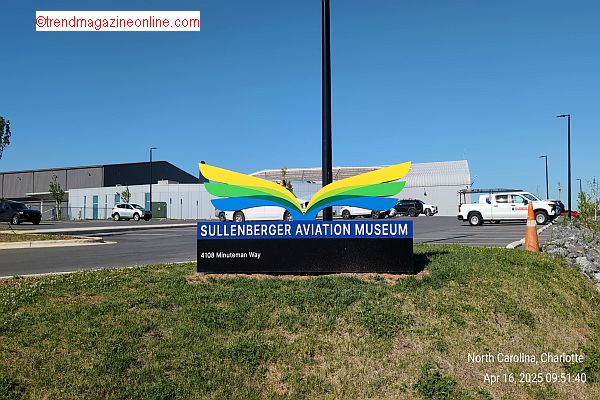
 ✈️ Aviation history was calling my name when I pulled into the
Sullenberger Aviation Museum in Charlotte, NC, at approximately
9:47 a.m. on Wednesday, April 16. The museum is only about
a 15-minute drive from my Charlotte apartment, yet it had been well over a decade
since I last toured what was then the Carolinas Aviation Museum. And believe me,
this was definitely NOT the museum I remembered! 😎 Back then, the attraction
was basically housed in an old hangar with perhaps a dozen vintage aircraft inside.
Interesting? Sure. But, as I noted at the time, not exactly a lot to write home about.
The reimagined Sullenberger Aviation Museum, which officially opened
to the public on June 1, 2024, changed that impression before I
even got through the front door. The museum traces its roots to 1992
and today operates as a Smithsonian Affiliate beside
Charlotte Douglas International Airport. Its expanded mission reaches
well beyond displaying old airplanes by using aviation history, technology and
hands-on STEM experiences to inspire the next generation of pilots, engineers,
mechanics, innovators and aviation professionals.
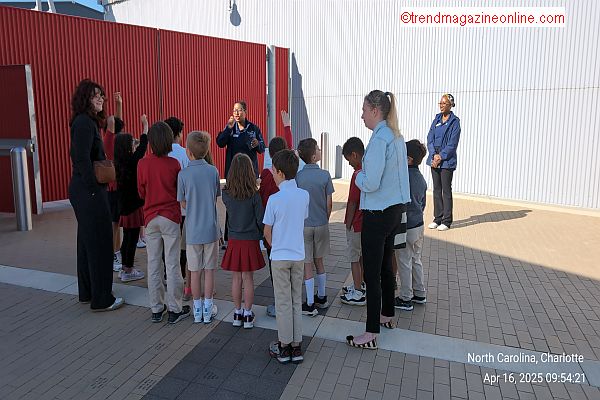
The parking lot was less than one-third full when I arrived, and almost immediately
I encountered a large group of school students being briefed before
their tour. The doors opened precisely at 10:00 a.m., and the staff
inside proved cordial, knowledgeable and ready for questions. One staff member
confirmed that the new facility sits west of the museum's former site and next
to Charlotte's historic original airport hangar area. That connection between
Charlotte's aviation past and future became one of the recurring themes of my visit.
🛩️ From the students waiting outside to the historic aircraft visible
beyond them, my first impression was immediate: somebody had taken this museum to
an entirely different altitude!
✈️ Aviation history was calling my name when I pulled into the
Sullenberger Aviation Museum in Charlotte, NC, at approximately
9:47 a.m. on Wednesday, April 16. The museum is only about
a 15-minute drive from my Charlotte apartment, yet it had been well over a decade
since I last toured what was then the Carolinas Aviation Museum. And believe me,
this was definitely NOT the museum I remembered! 😎 Back then, the attraction
was basically housed in an old hangar with perhaps a dozen vintage aircraft inside.
Interesting? Sure. But, as I noted at the time, not exactly a lot to write home about.
The reimagined Sullenberger Aviation Museum, which officially opened
to the public on June 1, 2024, changed that impression before I
even got through the front door. The museum traces its roots to 1992
and today operates as a Smithsonian Affiliate beside
Charlotte Douglas International Airport. Its expanded mission reaches
well beyond displaying old airplanes by using aviation history, technology and
hands-on STEM experiences to inspire the next generation of pilots, engineers,
mechanics, innovators and aviation professionals.
The parking lot was less than one-third full when I arrived, and almost immediately
I encountered a large group of school students being briefed before
their tour. The doors opened precisely at 10:00 a.m., and the staff
inside proved cordial, knowledgeable and ready for questions. One staff member
confirmed that the new facility sits west of the museum's former site and next
to Charlotte's historic original airport hangar area. That connection between
Charlotte's aviation past and future became one of the recurring themes of my visit.
🛩️ From the students waiting outside to the historic aircraft visible
beyond them, my first impression was immediate: somebody had taken this museum to
an entirely different altitude!
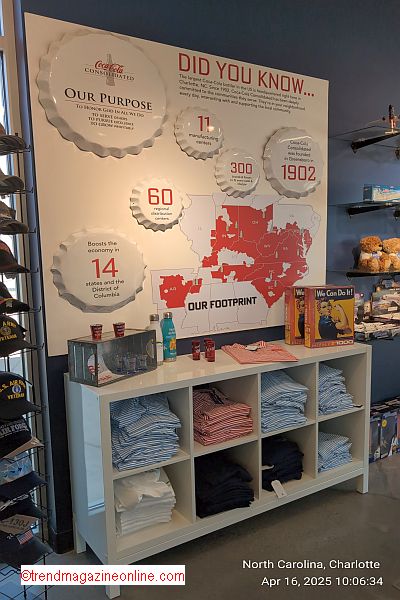
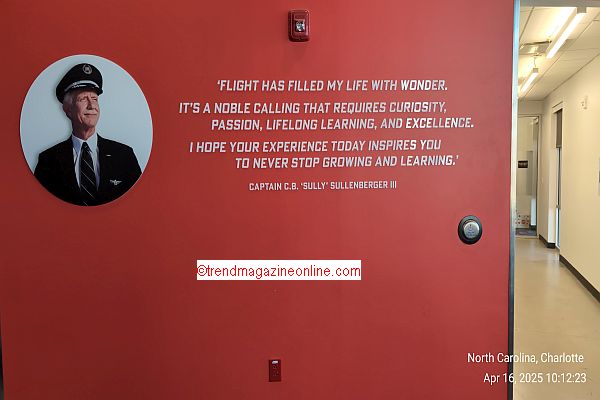
 Once inside, another pleasant surprise was how clean, bright and polished
everything looked. The lobby, men's restroom and especially the
museum gift shop were spotless during my visit. 🛍️
The shop offered the kind of aviation-themed souvenirs that can easily tempt an
Airhead—or an old Army electronics guy who has always appreciated machinery—to
linger a little longer than planned. 😎 More important, the volunteers and
staff established a friendly atmosphere from the beginning. Throughout my visit
I repeatedly encountered knowledgeable volunteers in their distinctive
red shirts, and they were never far away when I needed help
understanding an exhibit.
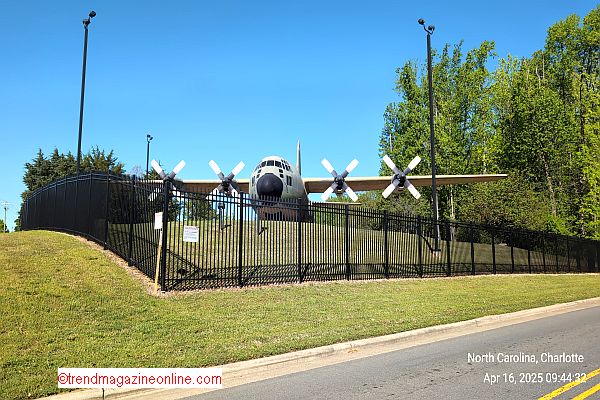
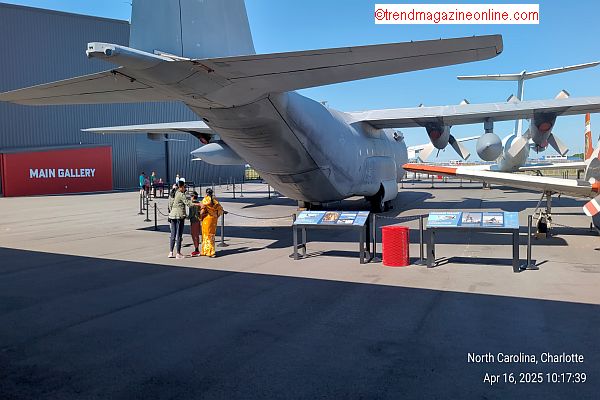
Then came the aircraft. And LOTS of them! ✈️ One of the displays
that demanded my attention was the museum's large military transport aircraft,
especially the C-130 Hercules. That one brought back some very
personal memories from my active-duty years as a
U.S. Army Paratrooper. I was transported aboard C-130s and
actually jumped from them during training and military operations at
Fort Bragg, North Carolina, Fort Benning, Georgia,
and even as far away as Anchorage and Fairbanks, Alaska.
🪂🇺🇸 There is nothing quite like sitting inside a C-130
loaded with paratroopers and equipment, listening to those engines roar, then
watching the rear of the aircraft come alive as jump commands begin. Seeing a
C-130 in a museum is impressive, but seeing one after having ridden inside—and
stepped out of one under a parachute—gives the aircraft an entirely different
meaning. 🪂✈️
Standing beneath a full-size aircraft is one thing; seeing one surrounded by
helicopters, fighters and other historic flying machines inside a purpose-built
museum gallery gives you an entirely different appreciation for its scale. For me,
the C-130 was more than a display—it was a direct connection to my own military
history. The museum's collection spans
commercial, civilian and military aviation, creating the type
of visual variety that the old facility simply could not provide.
The Sullenberger Aviation Museum promotes a collection of more than
40 iconic aircraft, while the new Main Gallery was designed as
approximately 35,000 square feet of exhibition and innovation
space. During my recent visit, the transformation was impossible to miss. Large
aircraft no longer looked as though they had simply been parked inside an old
hangar; they had become parts of carefully designed stories about technology,
warfare, commercial travel, engineering and the people who moved aviation forward.
And in the case of that C-130, one of those stories happened to intersect with
my own. 🎖️✈️ That is when my handwritten assessment
began taking shape:
1,000% better than the old museum! 🚀
Once inside, another pleasant surprise was how clean, bright and polished
everything looked. The lobby, men's restroom and especially the
museum gift shop were spotless during my visit. 🛍️
The shop offered the kind of aviation-themed souvenirs that can easily tempt an
Airhead—or an old Army electronics guy who has always appreciated machinery—to
linger a little longer than planned. 😎 More important, the volunteers and
staff established a friendly atmosphere from the beginning. Throughout my visit
I repeatedly encountered knowledgeable volunteers in their distinctive
red shirts, and they were never far away when I needed help
understanding an exhibit.
Then came the aircraft. And LOTS of them! ✈️ One of the displays
that demanded my attention was the museum's large military transport aircraft,
especially the C-130 Hercules. That one brought back some very
personal memories from my active-duty years as a
U.S. Army Paratrooper. I was transported aboard C-130s and
actually jumped from them during training and military operations at
Fort Bragg, North Carolina, Fort Benning, Georgia,
and even as far away as Anchorage and Fairbanks, Alaska.
🪂🇺🇸 There is nothing quite like sitting inside a C-130
loaded with paratroopers and equipment, listening to those engines roar, then
watching the rear of the aircraft come alive as jump commands begin. Seeing a
C-130 in a museum is impressive, but seeing one after having ridden inside—and
stepped out of one under a parachute—gives the aircraft an entirely different
meaning. 🪂✈️
Standing beneath a full-size aircraft is one thing; seeing one surrounded by
helicopters, fighters and other historic flying machines inside a purpose-built
museum gallery gives you an entirely different appreciation for its scale. For me,
the C-130 was more than a display—it was a direct connection to my own military
history. The museum's collection spans
commercial, civilian and military aviation, creating the type
of visual variety that the old facility simply could not provide.
The Sullenberger Aviation Museum promotes a collection of more than
40 iconic aircraft, while the new Main Gallery was designed as
approximately 35,000 square feet of exhibition and innovation
space. During my recent visit, the transformation was impossible to miss. Large
aircraft no longer looked as though they had simply been parked inside an old
hangar; they had become parts of carefully designed stories about technology,
warfare, commercial travel, engineering and the people who moved aviation forward.
And in the case of that C-130, one of those stories happened to intersect with
my own. 🎖️✈️ That is when my handwritten assessment
began taking shape:
1,000% better than the old museum! 🚀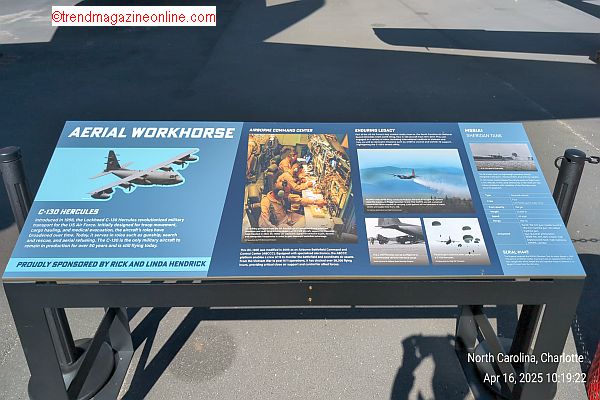
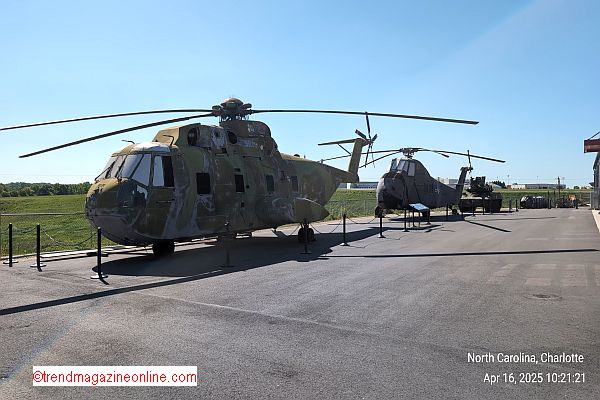
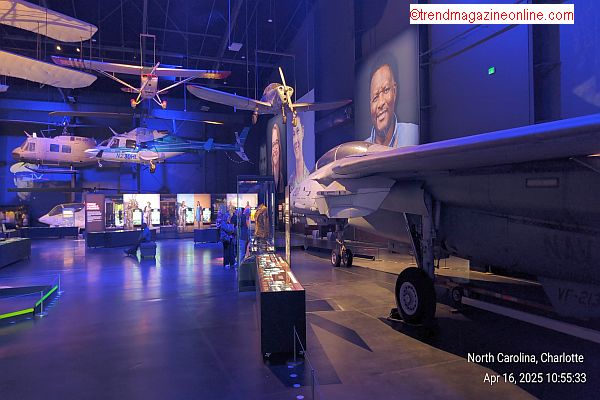
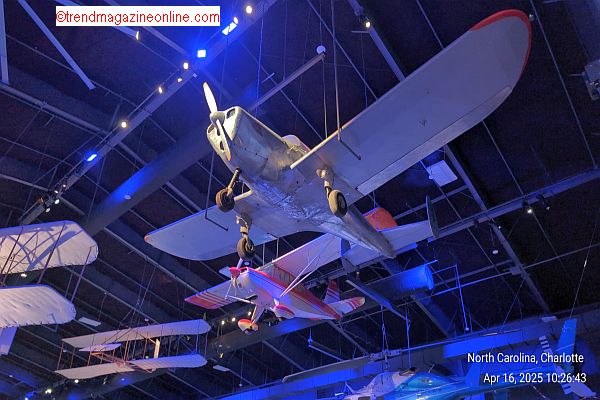 The farther I moved through the gallery, the more the museum encouraged me to
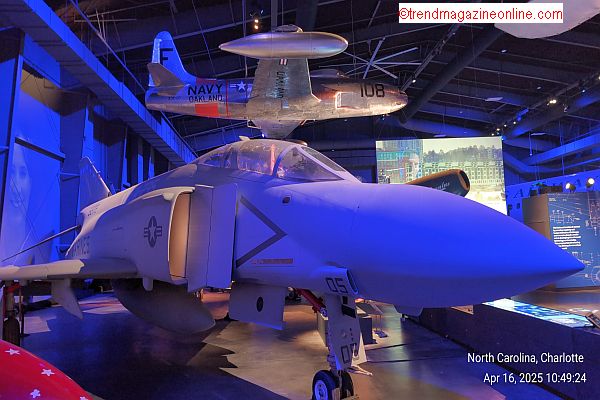
look in every direction—including UP! 👆✈️
Aircraft and aviation artifacts surrounded the visitor at multiple levels, while
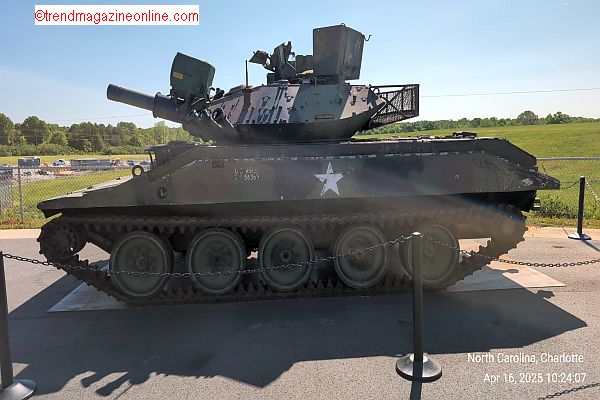
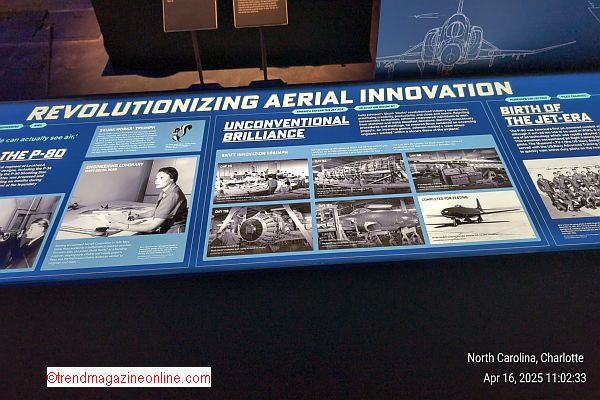
military equipment added another dimension to the story. Fighters, helicopters,
missiles and other technology demonstrated that aviation history isn't merely
about getting passengers from Point A to Point B. Aviation has also changed warfare,
reconnaissance, rescue operations, transportation and national defense.
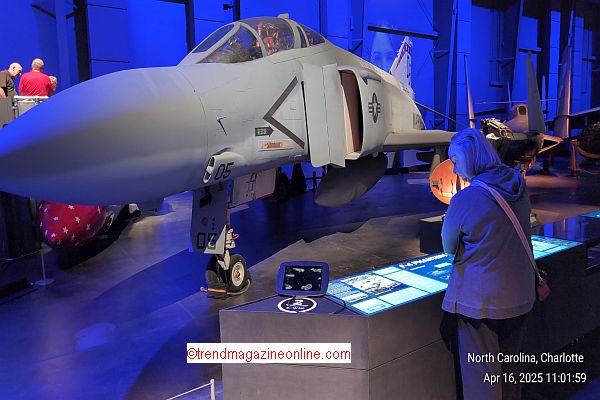
But what impressed me most was that the aircraft weren't presented merely as big
pieces of metal. The museum incorporates digital displays and interactive technology
designed to explain how these machines fit into aviation's larger story. That approach
gives younger visitors something to do while providing older Airheads with deeper
information than a simple identification placard.
There was, however, a small learning curve. Some of the
"Scan Me" interactive features were not immediately
self-explanatory to me. After I puzzled over them for a bit, one of those helpful
volunteers stepped in and showed me how the system worked. Once I understood the
process, the additional information made much more sense. Sometimes the newest
technology just needs an old-fashioned human being standing nearby to explain
it! 😂
The farther I moved through the gallery, the more the museum encouraged me to
look in every direction—including UP! 👆✈️
Aircraft and aviation artifacts surrounded the visitor at multiple levels, while
military equipment added another dimension to the story. Fighters, helicopters,
missiles and other technology demonstrated that aviation history isn't merely
about getting passengers from Point A to Point B. Aviation has also changed warfare,
reconnaissance, rescue operations, transportation and national defense.
But what impressed me most was that the aircraft weren't presented merely as big
pieces of metal. The museum incorporates digital displays and interactive technology
designed to explain how these machines fit into aviation's larger story. That approach
gives younger visitors something to do while providing older Airheads with deeper
information than a simple identification placard.
There was, however, a small learning curve. Some of the
"Scan Me" interactive features were not immediately
self-explanatory to me. After I puzzled over them for a bit, one of those helpful
volunteers stepped in and showed me how the system worked. Once I understood the
process, the additional information made much more sense. Sometimes the newest
technology just needs an old-fashioned human being standing nearby to explain
it! 😂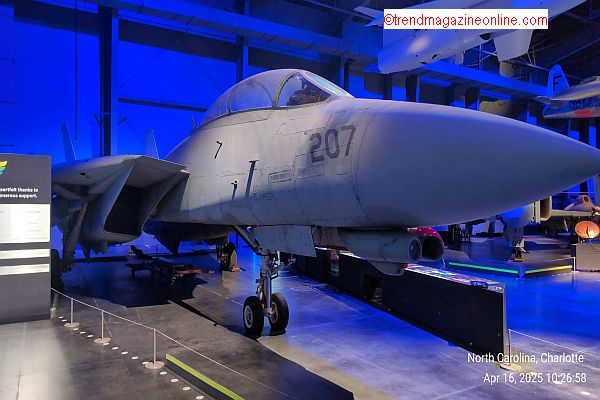

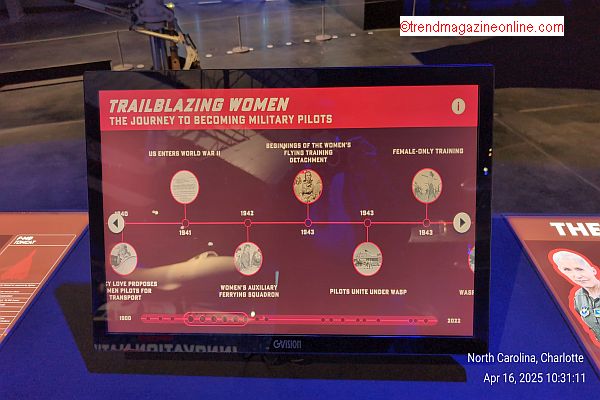
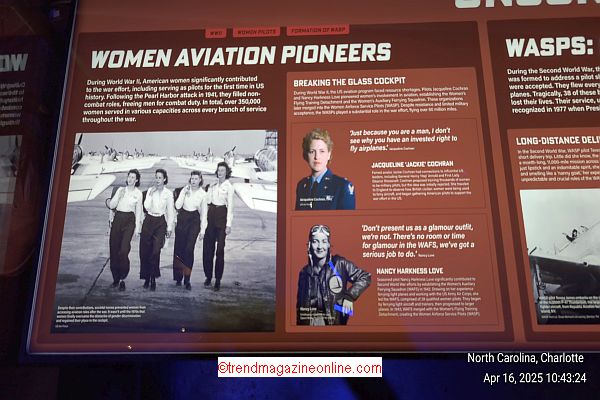
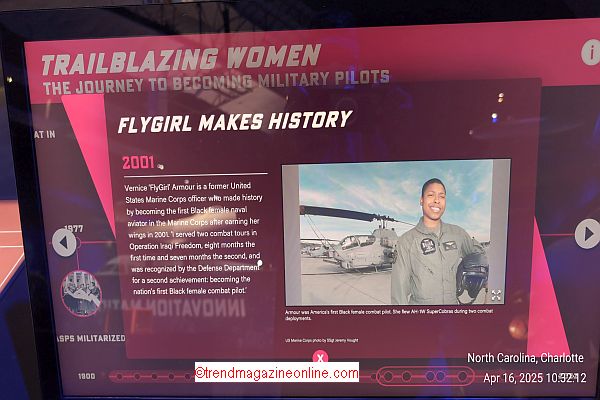 👩✈️ One of the more meaningful areas of my visit
focused on the women who fought their way into aviation cockpits
when plenty of people were convinced that flying—especially military flying—was
a man's business. The museum's presentation connected several generations of
women in aviation, from early pioneers and commercial pilots to women who broke
the military's combat-aviation barriers.
One particularly familiar name was Maj. Gen. Jeannie M. Leavitt.
Leavitt became the U.S. Air Force's first female fighter pilot
after combat-aircraft restrictions began changing in 1993, eventually flying the
F-15E Strike Eagle and later becoming the first woman to command an Air Force
combat fighter wing.
Pictured on the right was another trailblazer who certainly earned her place in
this exhibit: Capt. Vernice "FlyGirl" Armour. 🚀👩✈️
Armour became the first Black female combat pilot in the U.S. military
after earning her wings as a United States Marine Corps aviator in 2001.
She later flew combat missions during Operation Iraqi Freedom,
including service as an AH-1W Super Cobra attack helicopter pilot.
That distinction made Armour more than simply another accomplished aviator; she
became part of a much larger story about women and Blacks breaking through barriers
inside military aviation. Her nickname, "FlyGirl," may sound
playful, but her résumé was anything but lightweight. 💪🏾
I did run into one minor hiccup with the exhibit during my visit. The audio on part
of the Trailblazing Women presentation was not immediately clear
to me, and I ultimately needed assistance from a third volunteer before I understood
that the material I was viewing contained two video segments involving Leavitt,
one relating to 1993 and another to 2020.
That was hardly a deal-breaker, but it reinforced my earlier observation about
some of the museum's digital components: the content itself can be fascinating,
although a little more self-explanatory guidance would make certain interactives
even stronger. Still, seeing women such as Leavitt and Armour
presented as an integral part of aviation history—not as an afterthought—was a
definite plus. Their stories made this section especially effective because they
demonstrated that aviation history is not only about machines; it is also about
the people who challenged the rules governing who was allowed to fly them.
💪✈️
👩✈️ One of the more meaningful areas of my visit
focused on the women who fought their way into aviation cockpits
when plenty of people were convinced that flying—especially military flying—was
a man's business. The museum's presentation connected several generations of
women in aviation, from early pioneers and commercial pilots to women who broke
the military's combat-aviation barriers.
One particularly familiar name was Maj. Gen. Jeannie M. Leavitt.
Leavitt became the U.S. Air Force's first female fighter pilot
after combat-aircraft restrictions began changing in 1993, eventually flying the
F-15E Strike Eagle and later becoming the first woman to command an Air Force
combat fighter wing.
Pictured on the right was another trailblazer who certainly earned her place in
this exhibit: Capt. Vernice "FlyGirl" Armour. 🚀👩✈️
Armour became the first Black female combat pilot in the U.S. military
after earning her wings as a United States Marine Corps aviator in 2001.
She later flew combat missions during Operation Iraqi Freedom,
including service as an AH-1W Super Cobra attack helicopter pilot.
That distinction made Armour more than simply another accomplished aviator; she
became part of a much larger story about women and Blacks breaking through barriers
inside military aviation. Her nickname, "FlyGirl," may sound
playful, but her résumé was anything but lightweight. 💪🏾
I did run into one minor hiccup with the exhibit during my visit. The audio on part
of the Trailblazing Women presentation was not immediately clear
to me, and I ultimately needed assistance from a third volunteer before I understood
that the material I was viewing contained two video segments involving Leavitt,
one relating to 1993 and another to 2020.
That was hardly a deal-breaker, but it reinforced my earlier observation about
some of the museum's digital components: the content itself can be fascinating,
although a little more self-explanatory guidance would make certain interactives
even stronger. Still, seeing women such as Leavitt and Armour
presented as an integral part of aviation history—not as an afterthought—was a
definite plus. Their stories made this section especially effective because they
demonstrated that aviation history is not only about machines; it is also about
the people who challenged the rules governing who was allowed to fly them.
💪✈️
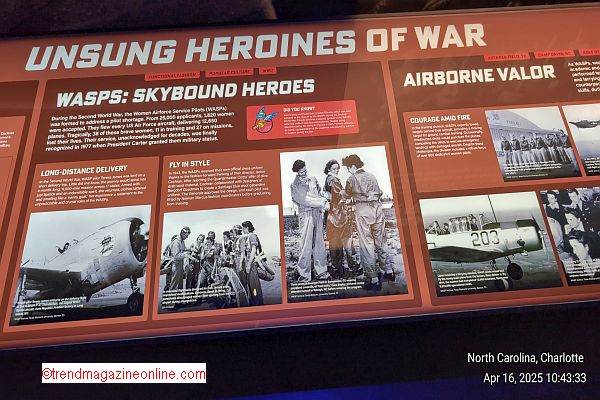
 The story of women in aviation naturally led into the
Women Airforce Service Pilots—or WASPs, whose World War II service
helped prove beyond argument that women could handle demanding military aircraft.
The museum includes the WASPs among the pioneering women whose stories expanded
opportunities for later generations. 🇺🇸
Seeing those stories surrounded by actual military aircraft creates a much stronger
connection than simply reading about them in a history book. From there I found
myself back among the Navy flyers, fighter aircraft and
cockpit technology.
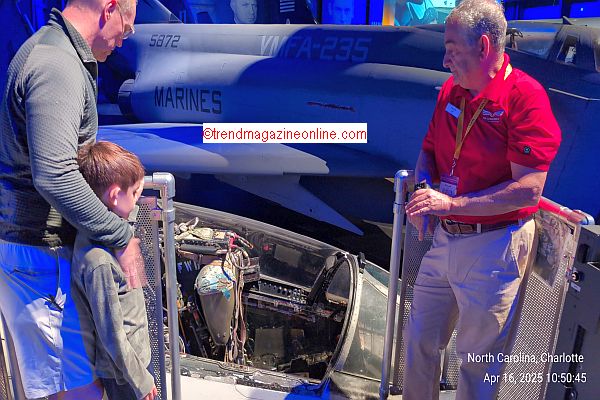
And this is where an aviation museum can really make you appreciate just how much
a pilot has to process. From the outside, a military jet can look sleek and almost
simple. Peek into the cockpit and that illusion disappears quickly! Gauges,
switches, controls and displays surround the pilot, each serving a purpose when
there isn't much room—or time—for error.
As a retired Army veteran and former electronics repairman, I naturally find that
kind of hardware interesting. 😎 Military aviation has always represented
a marriage between the person in the seat and the engineers, maintainers,
electronics specialists and ground crews who make the mission possible.
The museum's mixture of complete aircraft, cockpits, artifacts and personal stories
does a good job of reminding visitors that an airplane does not become history by
itself. Somebody designed it, somebody built it, somebody maintained it and,
eventually, somebody climbed aboard and trusted it with his or her life.
🛩️
The story of women in aviation naturally led into the
Women Airforce Service Pilots—or WASPs, whose World War II service
helped prove beyond argument that women could handle demanding military aircraft.
The museum includes the WASPs among the pioneering women whose stories expanded
opportunities for later generations. 🇺🇸
Seeing those stories surrounded by actual military aircraft creates a much stronger
connection than simply reading about them in a history book. From there I found
myself back among the Navy flyers, fighter aircraft and
cockpit technology.
And this is where an aviation museum can really make you appreciate just how much
a pilot has to process. From the outside, a military jet can look sleek and almost
simple. Peek into the cockpit and that illusion disappears quickly! Gauges,
switches, controls and displays surround the pilot, each serving a purpose when
there isn't much room—or time—for error.
As a retired Army veteran and former electronics repairman, I naturally find that
kind of hardware interesting. 😎 Military aviation has always represented
a marriage between the person in the seat and the engineers, maintainers,
electronics specialists and ground crews who make the mission possible.
The museum's mixture of complete aircraft, cockpits, artifacts and personal stories
does a good job of reminding visitors that an airplane does not become history by
itself. Somebody designed it, somebody built it, somebody maintained it and,
eventually, somebody climbed aboard and trusted it with his or her life.
🛩️
 🎓 By roughly an hour into my visit, the museum had become
noticeably more crowded. Those school groups I saw outside before
opening were now spread throughout the exhibits, and other visitors continued
trickling in—including guests I encountered from India.
Watching the students interact with the aircraft helped clarify another important
part of the Sullenberger Aviation Museum's purpose: this place is as much about
tomorrow's aviation workforce as yesterday's airplanes.
The museum has made STEM education a major part of its mission, using field trips,
interactive experiences, gallery activities and hands-on learning to expose
students to aviation, science, technology and engineering.
That is especially important in Charlotte, where one of the nation's major airports
sits practically next door. Aviation requires far more than pilots: mechanics,
engineers, air-traffic controllers, avionics technicians, airport professionals,
meteorologists, designers and scores of other specialists keep the system moving.
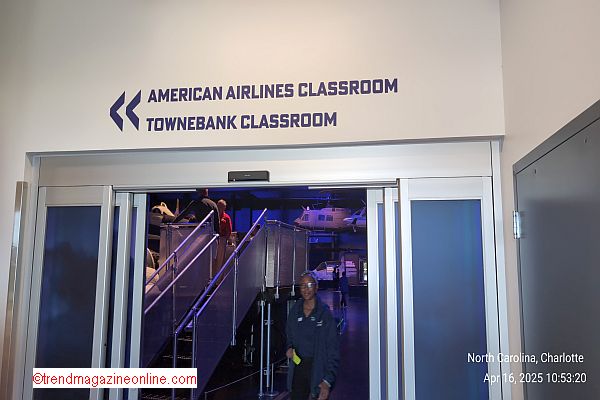
The museum's interactive stations and classroom facilities encourage youngsters
to ask the more useful question:
"How does this work?" 🤔
And once a kid starts asking THAT question, you may already have a future engineer
on your hands! 🚀📚
🎓 By roughly an hour into my visit, the museum had become
noticeably more crowded. Those school groups I saw outside before
opening were now spread throughout the exhibits, and other visitors continued
trickling in—including guests I encountered from India.
Watching the students interact with the aircraft helped clarify another important
part of the Sullenberger Aviation Museum's purpose: this place is as much about
tomorrow's aviation workforce as yesterday's airplanes.
The museum has made STEM education a major part of its mission, using field trips,
interactive experiences, gallery activities and hands-on learning to expose
students to aviation, science, technology and engineering.
That is especially important in Charlotte, where one of the nation's major airports
sits practically next door. Aviation requires far more than pilots: mechanics,
engineers, air-traffic controllers, avionics technicians, airport professionals,
meteorologists, designers and scores of other specialists keep the system moving.
The museum's interactive stations and classroom facilities encourage youngsters
to ask the more useful question:
"How does this work?" 🤔
And once a kid starts asking THAT question, you may already have a future engineer
on your hands! 🚀📚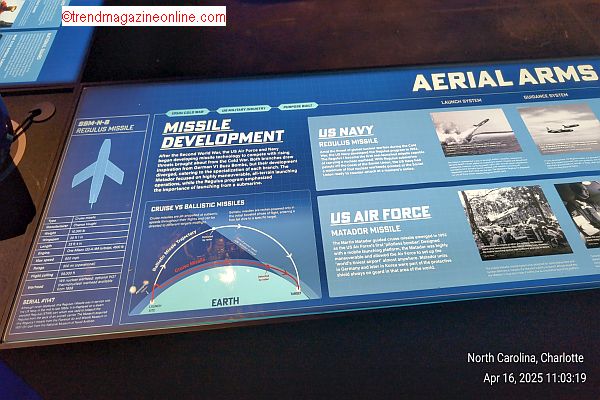
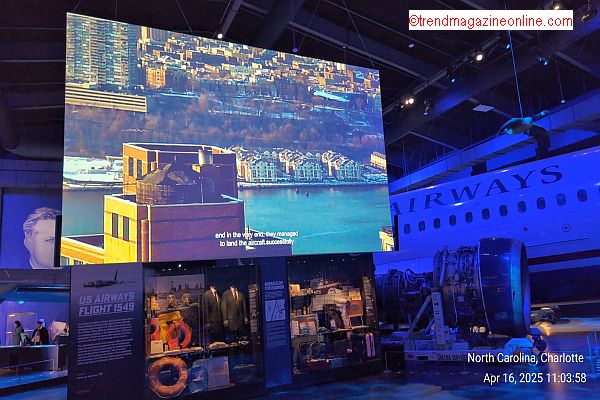
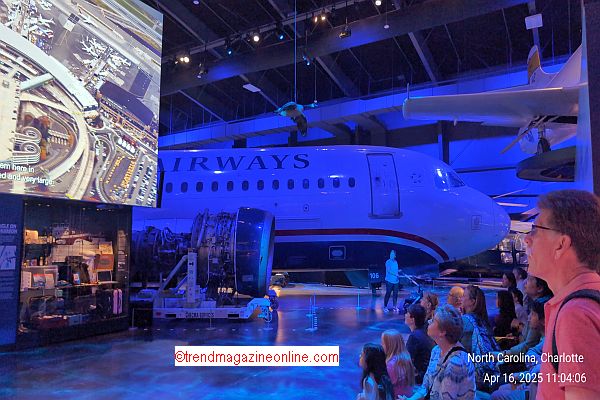
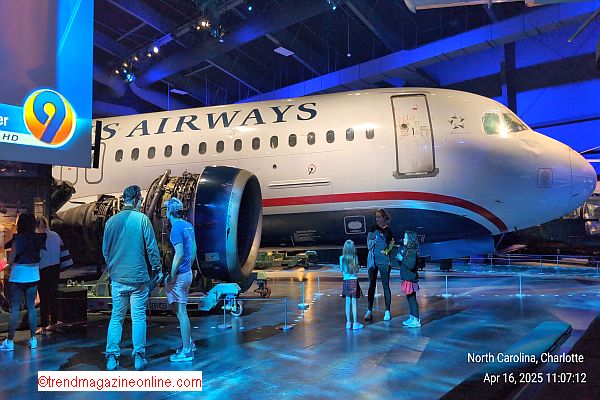 And then my tour reached the exhibit that makes the
Sullenberger Aviation Museum uniquely Charlotte:
US Airways Flight 1549—the Airbus A320 better known around the
world as the "Miracle on the Hudson." 🛫🌊
On January 15, 2009, Flight 1549 departed New York's LaGuardia
Airport bound for a destination that made this story especially relevant here in
the Queen City—Charlotte Douglas International Airport.
Approximately two minutes after departure, the Airbus encountered large birds
and suffered an almost complete loss of thrust in both engines.
Captain Chesley "Sully" Sullenberger and First Officer
Jeffrey Skiles ultimately brought the crippled aircraft down on
the Hudson River.
What happened next became aviation legend:
150 passengers and five crewmembers survived.
That's 155 people aboard and 155 lives saved.
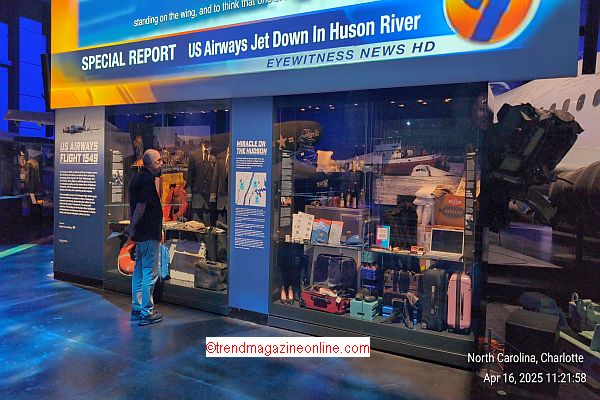
The museum's multimedia presentation was one of the most captivating parts of my
entire visit. 🎬 Instead of simply reading what happened, I heard
actual tower communications associated with the emergency and
watched survivor interviews describing events from inside the aircraft.
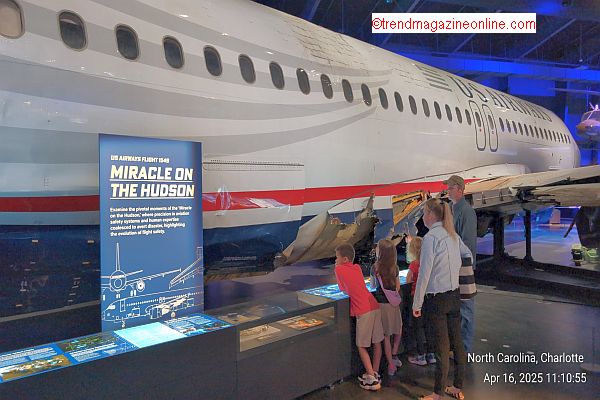
Seeing the damaged engine only a short distance away while hearing those
communications added an emotional dimension that no movie recreation can completely
duplicate. This was the real airplane. These were the real voices. And Charlotte
was where Flight 1549 was supposed to land that afternoon.
🙏
And then my tour reached the exhibit that makes the
Sullenberger Aviation Museum uniquely Charlotte:
US Airways Flight 1549—the Airbus A320 better known around the
world as the "Miracle on the Hudson." 🛫🌊
On January 15, 2009, Flight 1549 departed New York's LaGuardia
Airport bound for a destination that made this story especially relevant here in
the Queen City—Charlotte Douglas International Airport.
Approximately two minutes after departure, the Airbus encountered large birds
and suffered an almost complete loss of thrust in both engines.
Captain Chesley "Sully" Sullenberger and First Officer
Jeffrey Skiles ultimately brought the crippled aircraft down on
the Hudson River.
What happened next became aviation legend:
150 passengers and five crewmembers survived.
That's 155 people aboard and 155 lives saved.
The museum's multimedia presentation was one of the most captivating parts of my
entire visit. 🎬 Instead of simply reading what happened, I heard
actual tower communications associated with the emergency and
watched survivor interviews describing events from inside the aircraft.
Seeing the damaged engine only a short distance away while hearing those
communications added an emotional dimension that no movie recreation can completely
duplicate. This was the real airplane. These were the real voices. And Charlotte
was where Flight 1549 was supposed to land that afternoon.
🙏
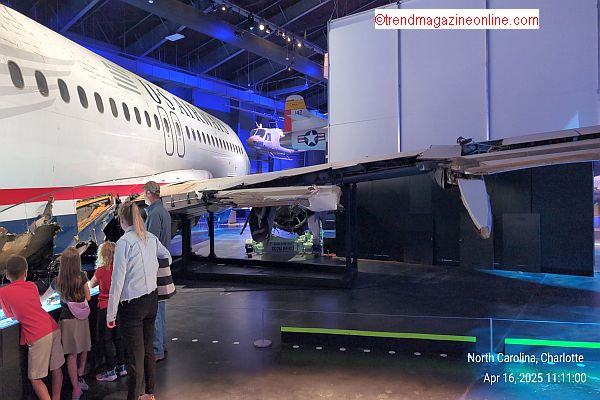 Standing near Flight 1549 also brought the museum's larger message into focus for
me. Aviation progress is built on innovation, risk, failure, training and
lessons learned.
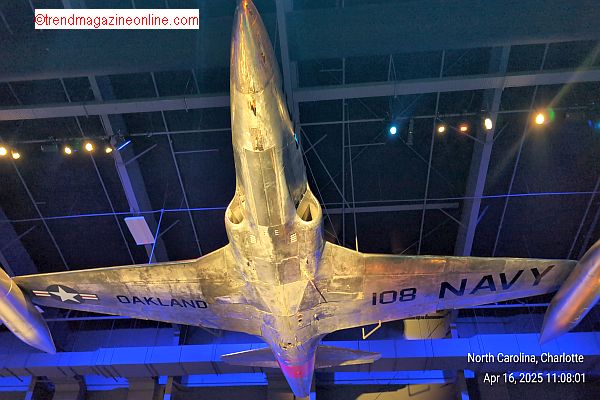
The military aircraft hanging above me, the fighters and missiles positioned
around the gallery, the early aviation pioneers, the female aviators who broke
barriers and the battered Flight 1549 airframe all represented different chapters
of the same story: human beings continually trying to push flight farther, faster
and safer.
The museum preserved Flight 1549 after the aircraft came to Charlotte in
2011, but the reimagined exhibit does considerably more than park
an Airbus inside a building.
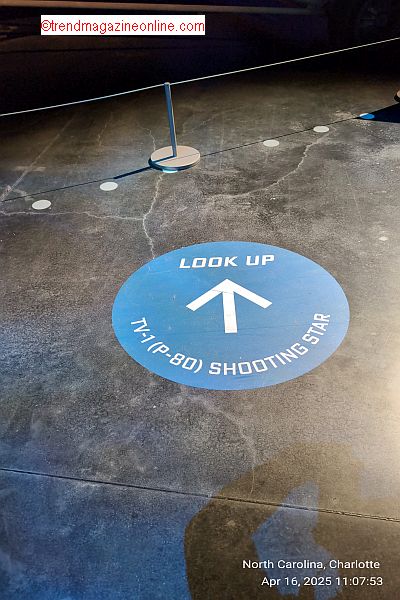
By this stage of my visit, I had also learned to look up.
👆😎 Aircraft overhead made use of the vertical space and created
those unexpected moments when you suddenly realize another piece of aviation
history is hanging above your head.
And perhaps that is the biggest difference between this museum and the old one I
remembered from more than a decade earlier. The old facility primarily showed me
airplanes. The new Sullenberger Aviation Museum was telling me
why those airplanes—and the people connected to them—matter.
That's a much more compelling experience. ✈️✨
Standing near Flight 1549 also brought the museum's larger message into focus for
me. Aviation progress is built on innovation, risk, failure, training and
lessons learned.
The military aircraft hanging above me, the fighters and missiles positioned
around the gallery, the early aviation pioneers, the female aviators who broke
barriers and the battered Flight 1549 airframe all represented different chapters
of the same story: human beings continually trying to push flight farther, faster
and safer.
The museum preserved Flight 1549 after the aircraft came to Charlotte in
2011, but the reimagined exhibit does considerably more than park
an Airbus inside a building.
By this stage of my visit, I had also learned to look up.
👆😎 Aircraft overhead made use of the vertical space and created
those unexpected moments when you suddenly realize another piece of aviation
history is hanging above your head.
And perhaps that is the biggest difference between this museum and the old one I
remembered from more than a decade earlier. The old facility primarily showed me
airplanes. The new Sullenberger Aviation Museum was telling me
why those airplanes—and the people connected to them—matter.
That's a much more compelling experience. ✈️✨🌟 By the time I began wrapping up this first visit to the reimagined Sullenberger Aviation Museum, my opinion had changed dramatically from what I remembered of its predecessor. I arrived at approximately 9:47 a.m., entered when the doors opened at 10:00 a.m. and finally departed at approximately 12:32 p.m.. What began with a parking lot less than one-third full ended with that same lot nearly full. In between were school groups, international visitors, helpful red-shirt volunteers, military aircraft, interactive technology, pioneering aviators, STEM education and one Airbus A320 whose passengers expected to land in Charlotte but instead became part of aviation history on the Hudson River. Were there a couple of things I would improve? Sure. Some of the digital Scan Me features could have been more self-explanatory, and the Trailblazing Women presentation required more assistance than I thought should have been necessary. But those were relatively minor bumps during an otherwise excellent visit, and the volunteers did exactly what good museum volunteers should do—they stepped in and helped. My strongest handwritten observation from that morning still sums it up best: this place is 1,000% better than the old museum! 🚀 The collection is stronger, the presentation is considerably more professional, the facilities were clean, the staff and volunteers were cordial and knowledgeable, and the Miracle on the Hudson presentation alone makes the museum worth seeing. There is also an important reason I'm calling this Part I. When I visited on April 16, 2025, the museum's final major thematic area, Aviation City, had not yet opened inside the historic 1936 WPA/Douglas Airport Hangar. That gallery officially opened on May 31, 2025, adding another chapter devoted to Charlotte's aviation history and the growth of Charlotte Douglas International Airport. That gives this old Tour Guide a very good reason to return! 😉✈️
🏆 Trend Magazine Online™ Travel Review Rating: ⭐⭐⭐⭐⭐ — 5 Stars!
Visitor Tip: Allow at least 2 to 3 hours if you want time to examine the aircraft, interactive exhibits and Miracle on the Hudson presentation without rushing. Current 2026 general admission is listed at $25 for adults and $21 for seniors age 65+, military members, veterans, educators and aviation professionals. The museum is generally open Tuesday-Saturday, 10:00 a.m.-4:30 p.m., and Sunday, noon-4:30 p.m.. Check the museum calendar before visiting because special events can affect operating hours.
✈️ Bottom Line: Well worth the price of admission—and definitely worthy of a return flight for Part II! 😎

🚌✈️ Want To Schedule a Small Group Visit?
Contact Queen City Tours® & Travel
and let us help plan your Charlotte aviation experience!
✈️✨
^^^Back to Top
Home
About
Contact
^^^Back to Top
Join our email
list or Like Us on
Facebook! to be notified of updates!




Share This!: